
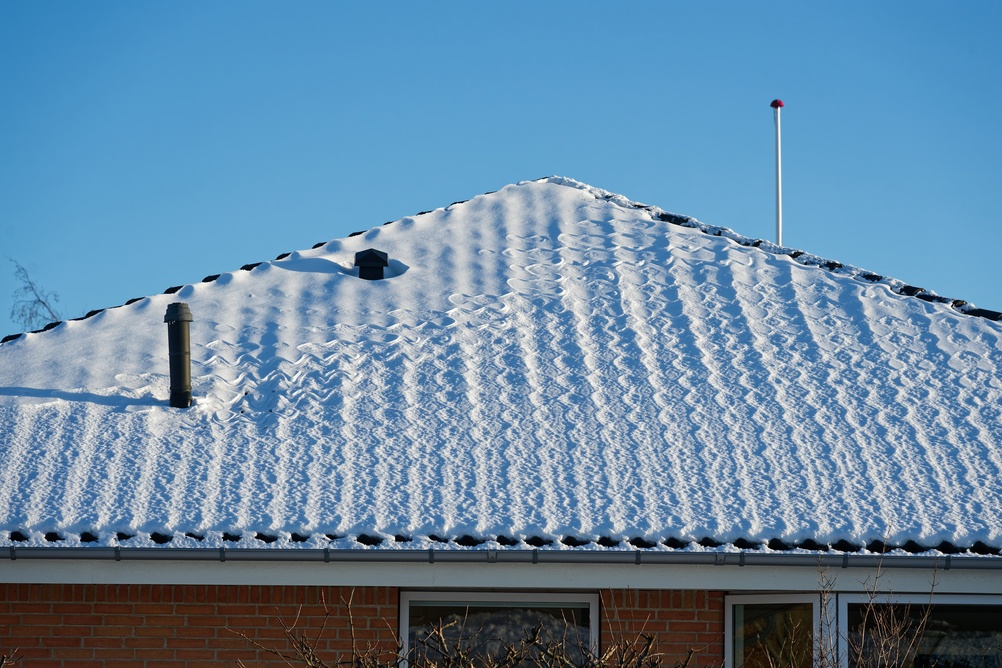
Winter has a way of hiding problems in plain sight. Snow, ice, and freezing temperatures can mask damage to your home’s exterior, only for issues to surface once spring thaws begin. As temperatures rise, melting snow and ice reveal weak spots that may have quietly worsened over the colder months. Taking time to inspect your roof, siding, and gutters now can help you avoid costly repairs later.
We work with homeowners every year who are surprised by damage they couldn’t see during winter. A proactive inspection before spring arrives is one of the smartest steps you can take to protect your home.
What to Look for on Your Roof After Winter

Your roof absorbs the brunt of winter weather. Heavy snow loads, ice buildup, and repeated freeze-thaw cycles can all take a toll on roofing materials.
As snow melts, keep an eye out for:
- Missing, cracked, or curling shingles that may have shifted under snow weight
- Loose or damaged flashing around chimneys, vents, and skylights
- Dark spots or granule buildup near downspouts, which can signal shingle deterioration
- Sagging areas that may indicate trapped moisture or structural stress
Even minor roof damage can allow water to seep in once the ice melts. Catching these issues early helps prevent leaks, insulation damage, and interior repairs.
Siding Damage That Winter Weather Can Hide
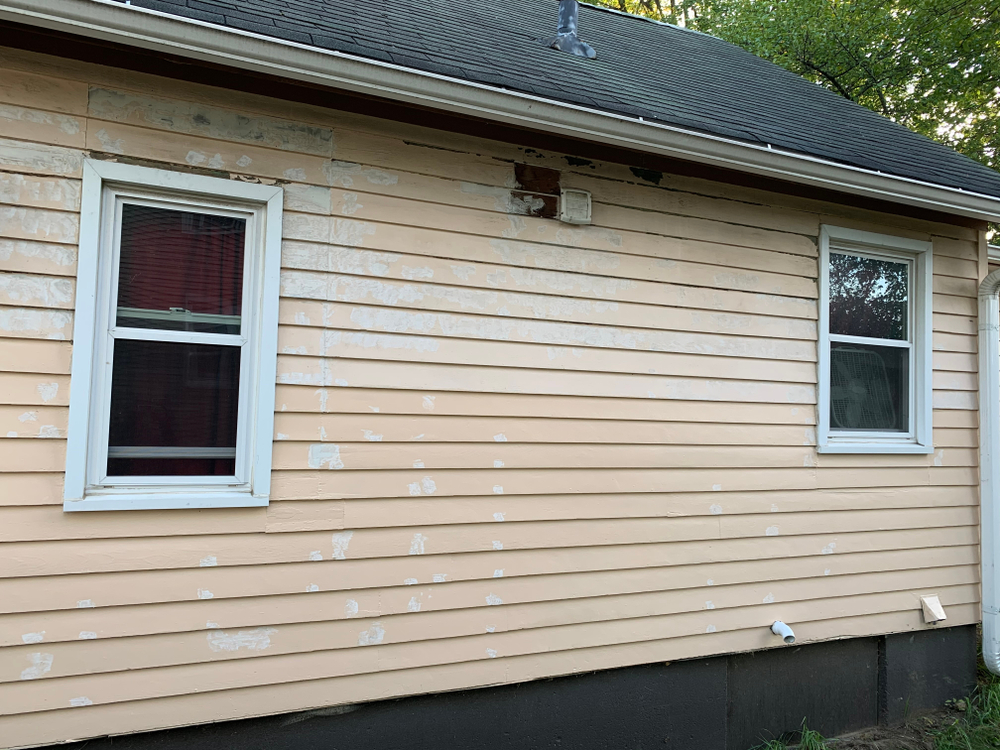
Siding protects your home from moisture and wind, but winter conditions can quietly weaken it. Ice expansion, strong winds, and trapped moisture behind snowbanks can all create problems that aren’t visible until temperatures rise.
Inspect your siding for:
- Cracks, warping, or buckling panels
- Gaps or separation along seams and corners
- Soft spots or discoloration that may indicate moisture intrusion
- Loose trim pieces or exposed wood
Damaged siding can allow water to penetrate your home’s exterior walls, leading to mold, rot, and reduced energy efficiency. Early repairs help maintain both protection and appearance.
Gutters: A Common Source of Hidden Winter Trouble

Gutters are especially vulnerable during winter. Ice dams, frozen debris, and heavy snow can bend or loosen gutter systems, but problems often stay hidden until spring runoff begins.
Once temperatures warm, check your gutters for:
- Sagging sections or pulled-away fasteners
- Cracks or splits caused by expanding ice
- Blockages from compacted leaves or debris
- Improper drainage or water spilling over the edges
When gutters don’t function properly, melting snow can back up onto your roof or pool near your foundation, causing damage that escalates quickly.
Why Early Inspections Save Time and Money
Spring is one of the busiest seasons for exterior repairs. Homeowners who wait until damage becomes obvious often face longer scheduling times and higher repair costs.
Inspecting early allows you to:
- Address small issues before they turn into major repairs
- Prevent interior water damage as snow melts
- Plan projects ahead of peak spring demand
- Extend the lifespan of your roof, siding, and gutters
A professional inspection provides a clearer picture of your home’s condition and ensures nothing is overlooked.
Get Your Home Ready for Spring
Winter doesn’t always leave visible clues behind, but hidden damage can still cause serious problems once thawing begins. Taking action now helps protect your investment and keeps your home ready for the seasons ahead.
If you’d like help inspecting your roof, siding, or gutters, we’re here to help. Contact us today to schedule a professional evaluation and make sure your home is ready for spring with confidence.