

When the temperatures drop and winter storms roll in, your home’s first line of defense isn’t just your roof—it’s your siding. The right siding doesn’t just add curb appeal; it shields your home from freezing temperatures, harsh winds, and moisture damage. As the colder months approach, it’s the perfect time to make sure your siding is ready to stand strong against whatever winter throws its way.
Why Siding Matters More in Winter
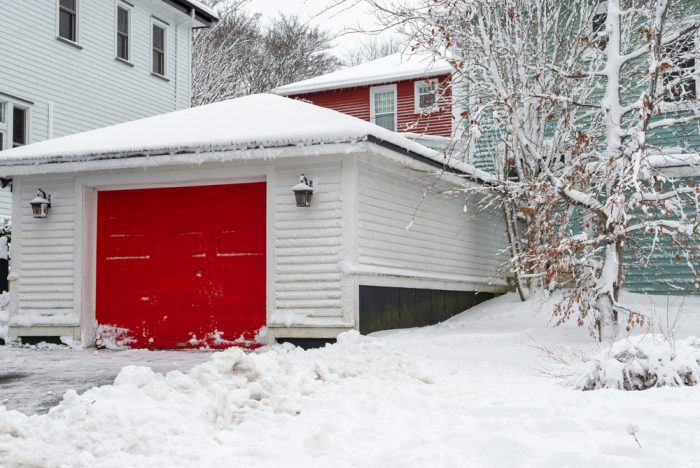
Siding plays a critical role in keeping your home energy-efficient and structurally sound. During winter, strong winds, heavy rain, sleet, and snow can all take a toll on your exterior. Without durable, properly installed siding, moisture can seep in, leading to rot, mold, and insulation damage. It also helps regulate your home’s temperature by creating an insulating barrier between the cold air outside and the warmth inside.
If your siding is cracked, warped, or showing signs of wear, it’s not just an eyesore—it’s a vulnerability. Small gaps can let in cold drafts, increase heating costs, and allow water to penetrate your home’s frame.
The Benefits of Durable Siding Materials
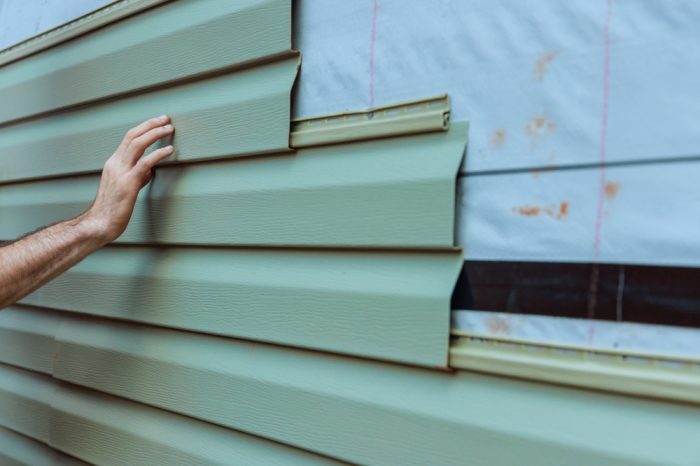
Choosing the right siding material is essential for year-round protection. Here are some of the most durable and weather-resistant options:
- Vinyl Siding: Affordable, low-maintenance, and resistant to moisture and pests. Modern vinyl siding can withstand strong winds and freezing temperatures without cracking.
- Fiber Cement Siding: Known for its durability and fire resistance, fiber cement siding handles temperature fluctuations exceptionally well while mimicking the look of wood.
- Engineered Wood Siding: A beautiful and natural-looking option that’s treated to resist water, insects, and decay—perfect for standing up to unpredictable weather.
- Insulated Siding: Adds an extra layer of protection by reducing heat loss and preventing cold air infiltration.
Signs Your Siding Needs Attention Before Winter
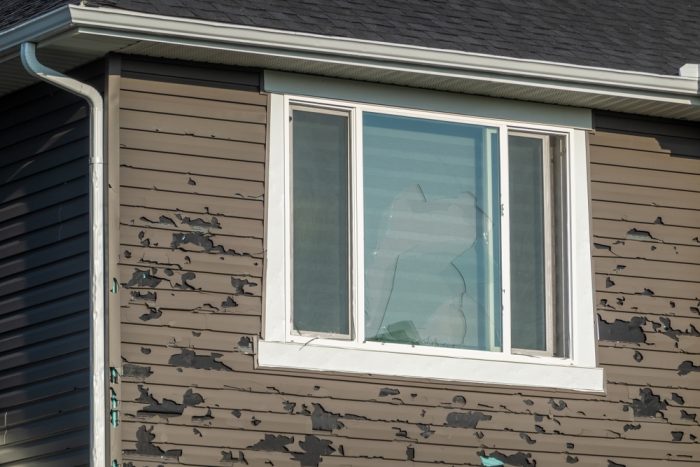
Don’t wait for the first snow to find out your siding isn’t holding up. Take a few minutes to inspect your home’s exterior for these warning signs:
- Visible Cracks or Warping – These can allow moisture and cold air to enter, weakening your home’s insulation.
- Faded or Peeling Paint – Aesthetic changes may indicate deeper issues, such as trapped moisture or UV damage.
- Loose or Missing Panels – Gaps expose your home’s underlayment to the elements.
- Increased Energy Bills – Poor insulation from damaged siding can cause your heating system to work harder.
- Mold or Mildew Growth – A clear sign that moisture is seeping through cracks or gaps.
If you notice any of these issues, now is the time to act. Replacing or repairing siding in late fall ensures your home stays dry, warm, and protected all season long.
Preparing Your Home for Winter
Before the first freeze, it’s smart to schedule an inspection with a professional team. We can identify problem areas, recommend the best siding materials for your home, and ensure proper installation that lasts for years. With the right siding, you’ll not only enhance your home’s curb appeal but also save on energy costs and avoid expensive repairs down the road.
At MidAtlantic Contracting, we know how important it is to protect your home from the elements. If your siding needs attention or you’re ready for an upgrade, our team is here to help. Let’s make sure your home is winter-ready with durable, high-quality siding that stands the test of time. Contact us today to schedule your inspection and keep your home protected all season long.