
Most Homeowners Think About Gutters Only When Something Goes Wrong

There is a pattern we see repeatedly across Northern Virginia. A homeowner calls us about water damage in their basement, or staining on their siding, or landscaping that keeps washing out near the foundation. After a quick look, the culprit is almost always the gutters. Not the roof, not the foundation, not the siding. The gutters.
The problem is that gutters do their job invisibly most of the time. When they are working correctly, you never think about them. When they fail, the damage shows up somewhere else entirely, and by then it has usually been building for months. Understanding what your gutters actually do and what happens when they stop doing it is one of the most practical things a Northern Virginia homeowner can know.
What Your Gutters Are Actually Doing
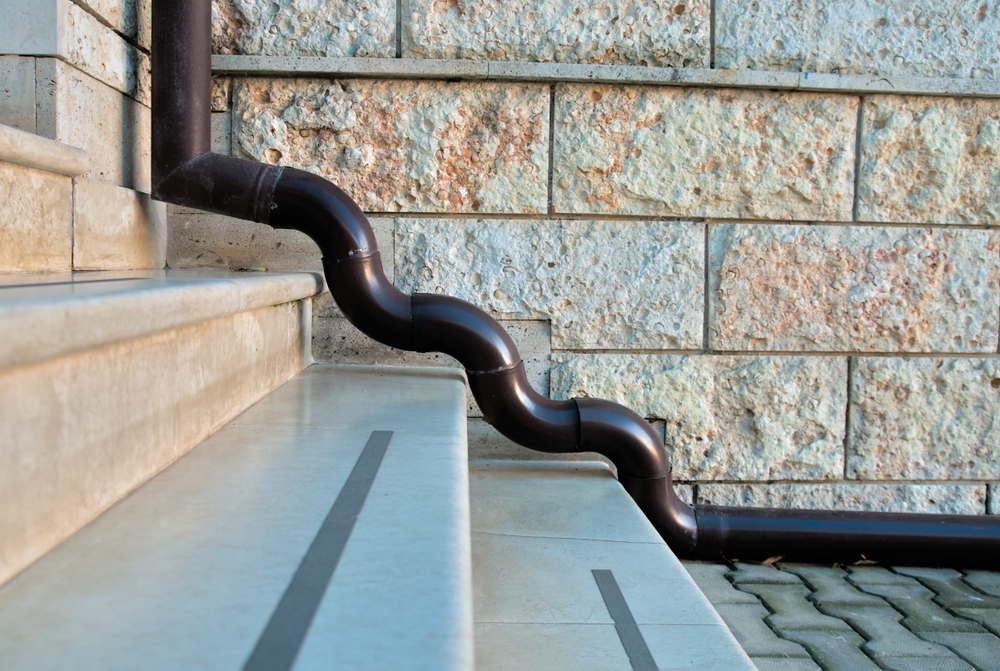
Your gutter system has one job: capture rainwater as it runs off your roof and direct it away from your home through downspouts that deposit water safely away from the foundation. That is it. But that single function protects your home in ways that most homeowners never think about:
- Foundation protection: Water pooling around your foundation causes soil erosion and hydrostatic pressure that can crack and compromise the foundation over time
- Siding protection: Water running down the side of your house instead of through a downspout causes staining, rot, and eventually structural damage to whatever is underneath
- Basement protection: Improper drainage is one of the leading causes of basement water intrusion
- Landscape protection: Uncontrolled runoff erodes soil, kills plants, and creates drainage problems in your yard that are expensive to fix
- Fascia protection: Water sitting in clogged gutters constantly wets the fascia board behind them, causing wood rot that can spread into your roof structure
When you put it that way, gutters are not a minor exterior feature. They are a critical component of your home’s water management system.
The Most Common Gutter Problems We See in Northern Virginia

After decades of working on homes across Woodbridge, Manassas, Fredericksburg, and the surrounding area, here are the gutter issues we encounter most often:
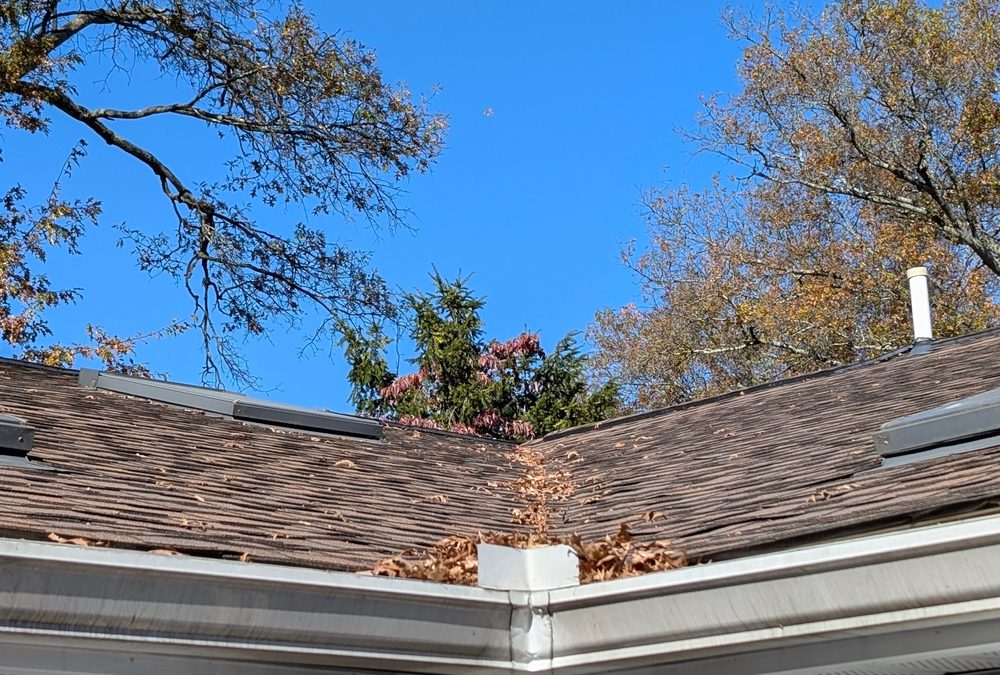
- Clogs: Leaves, seeds, and debris accumulate in gutters and block water flow. This is the most common issue and the most preventable. Clogged gutters overflow, sending water down the side of your house and pooling at the foundation instead of being channeled away safely.
- Pulling away from the fascia: Gutters are attached to the fascia board with hangers. Over time, the hangers loosen, the fascia rots, or the weight of standing water pulls the gutter away from the house. When this happens, water gaps between the gutter and the roofline become entry points for water.
- Improper pitch: Gutters need to be angled correctly to drain toward the downspout. If the pitch is off, water sits in the gutter rather than draining, accelerating rust, causing overflow, and adding weight that pulls the gutter loose.
- Inadequate downspouts: If your home does not have enough downspouts, or if they are too small, water backs up in the gutter during heavy rain and overflows regardless of whether the gutter itself is clear.
- Downspout discharge too close to the foundation: Even functional gutters can cause foundation problems if the downspout deposits water within a few feet of your home. Downspout extensions or underground drainage are often needed to move water far enough away.
How Often Should Gutters Be Cleaned and Inspected?
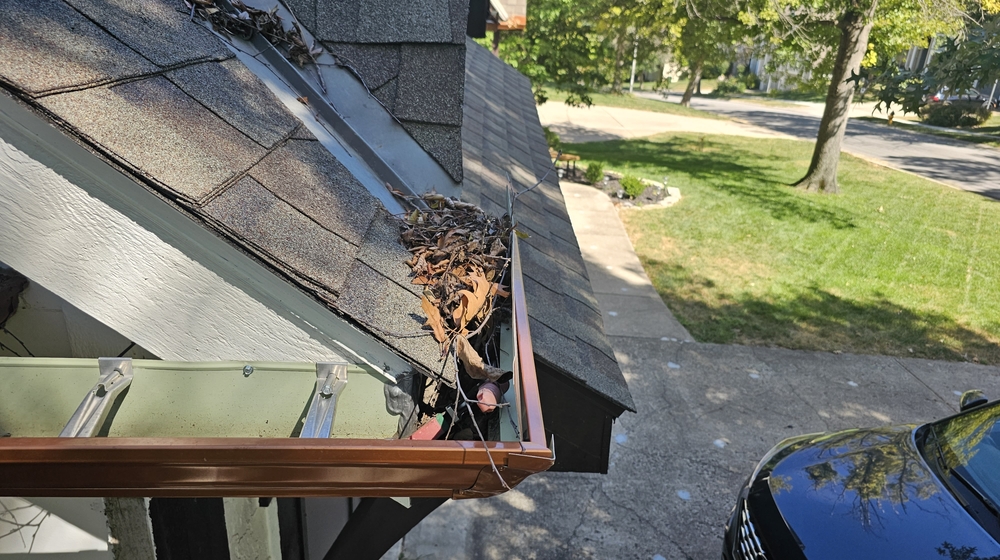
In Northern Virginia, we recommend cleaning and inspecting gutters at least twice a year, typically in late spring after the seed pods and helicopter seeds have finished falling, and in late fall after the leaves are down. If you have significant tree coverage over your home, you may need more frequent cleanings.
A proper gutter inspection goes beyond just removing debris. It should include:
- Checking all seams and end caps for leaks
- Verifying that hangers are secure and the gutter has not pulled away from the fascia
- Confirming the pitch is correct, and water flows freely to the downspout
- Inspecting downspouts for clogs and confirming they are directing water far enough from the foundation
- Checking the fascia board behind the gutter for any signs of rot or water damage
When It Is Time to Replace Rather Than Repair
Most gutter repairs are straightforward and cost-effective. But there are situations where replacement makes more sense than continued patching:
- Gutters that are pulling away in multiple locations along the roofline
- Widespread rust or corrosion on steel gutters
- Sections that have been repaired multiple times and continue to fail
- Gutters that are undersized for the roof area they are draining
- Homes where the original gutter system was never properly installed to begin with
If your gutters are 20 or more years old and showing these signs, a full replacement with properly sized seamless aluminum gutters is usually the most cost-effective long-term solution.
Schedule a Gutter Inspection Before the Summer Rain Season Peaks
Mid-summer in Northern Virginia brings some of our heaviest rain events of the year. If your gutters have not been inspected recently, now is the right time to get ahead of it before a heavy rain reveals a problem you did not know you had.
Call us today at 703.492.4663 or visit macontracting.com to schedule your free inspection and quote.
We will take a look at your gutters, downspouts, and fascia and give you a straight assessment of what your home needs.